



Resistance Measurement (2-Wire Method)
Introduction
This article explains the general method for resistance measurement.
Details
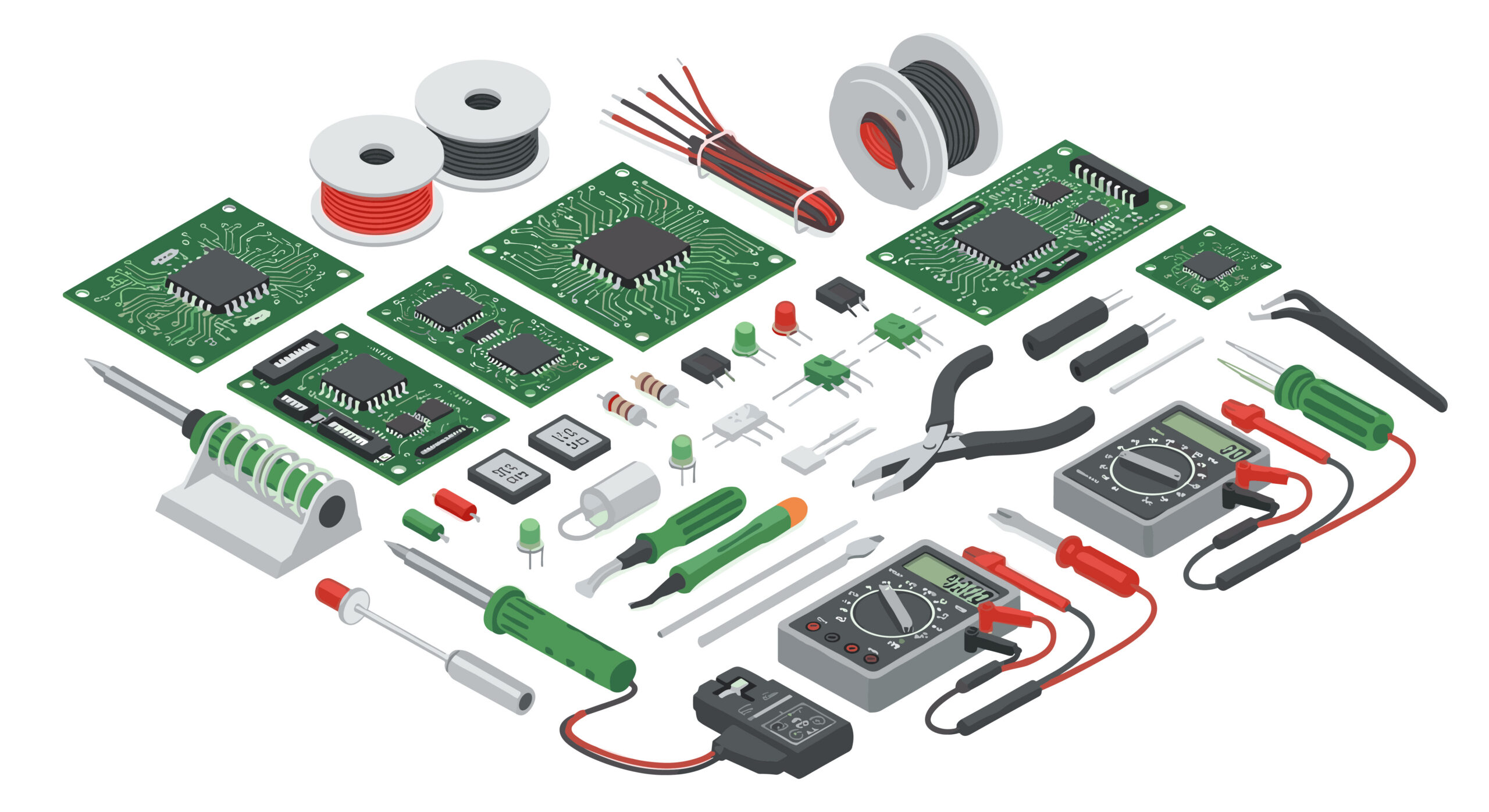
Resistance is measured using digital multimeters (DMMs) or analog testers. Measurement methods are generally classified into 2‑wire (2‑terminal) and 4‑wire (4‑terminal), selected according to the required accuracy and application.
This article focuses on the 2‑wire resistance measurement method.
Measurement Principle: Constant‑Current Method
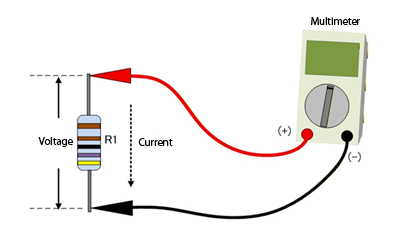
- A small, constant current (several mA to several tens of µA) is applied to the resistor under test (R1).
- The voltage across R1 is measured.
- The resistance value of R1 is calculated using Ohm’s Law.
Reference Diagram
Applications
Kyoritsu Test System applies this principle in our in‑circuit testers, achieving higher accuracy and faster resistance measurement.
When performing the “2‑wire resistance measurement” described here on resistors mounted on PCBs or equipment, surrounding elements such as wiring may affect the measurement. In some cases, alternative measurement methods may be more suitable.
If you are unsure how to accurately perform a particular measurement, please feel free to contact us for assistance.